Every roof carries weight beyond its shingles: it shields occupants, defines curb appeal, and controls how much energy a home demands. For homeowners concerned about utility bills and comfort, choosing the right roofing system is as important as picking insulation or a new HVAC unit. Below I cover practical, experience-based options for energy-efficient roof installations, explain trade-offs, and offer guidance for working with a roofing contractor or roofing company so the finished job actually performs.
Why energy-efficient roofing matters
A roof that reflects, insulates, or stores heat changes how often the furnace or air conditioner cycles, and by how much. On hot, sunny days a dark, unvented roof can raise attic temperatures above 140 degrees Fahrenheit. That heat transfers into living spaces unless the roof assembly is designed to block or remove it. Conversely, in cold climates poor roof details invite warmth loss and ice dam risk. Energy-efficient roofing reduces load on equipment, smooths indoor temperature swings, and can extend the life of the roof system itself.
What "energy-efficient" means for a roof
Energy efficiency for roofs rests on three levers: solar reflectance, thermal emissivity, and thermal resistance. Solar reflectance determines how much solar radiation is reflected rather than absorbed. Thermal emissivity is how readily a surface re-emits absorbed energy back to the sky. Thermal resistance, or R-value, controls conductive heat flow through the assembly. A properly designed roof blends these properties with ventilation and moisture control to deliver results that matter in real-world conditions, not just laboratory numbers.
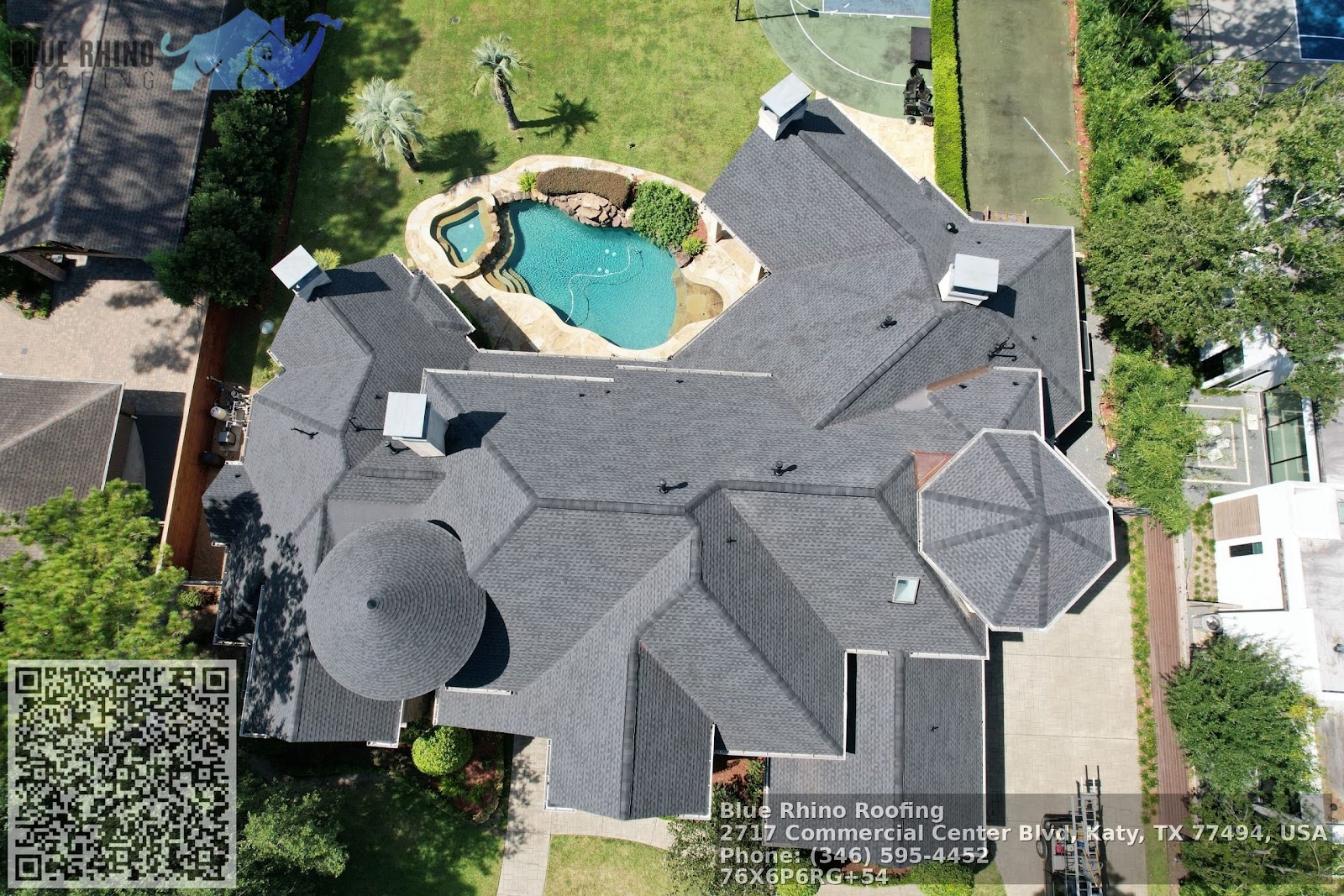
Five roof systems I recommend considering
- cool roofs with reflective coatings or light-colored materials for reduced solar gain metal roofing with high-reflectance finishes and an air gap or insulated underlayment for combined reflection and conduction control tile roofs, especially clay or concrete with reflective paints or ventilated battens that create a cooling cavity standing-seam metal or membrane roofs over rigid foam for retrofit insulation when attic access is limited green roofs with vegetation that add thermal mass, shade, and evapotranspiration benefits on suitable structures
These options are not ranked universally. Regional climate, existing roof structure, budget, and local building codes alter which choice is best.
How each option behaves in the field
Cool roofs: A simple, cost-effective tactic is to increase solar reflectance. Light-colored asphalt shingles exist, and reflective coatings turn an existing roof into a cool surface without replacement. In hot climates, I have seen cool roof coatings cut attic peak temperatures by 20 to 30 degrees Fahrenheit on poorly ventilated attics, which translated to lower afternoon HVAC cycling. The downsides are aesthetic limits in neighborhoods with strict appearance rules, and modest benefit in cold climates where solar gain is sometimes desirable during winter.
Metal roofs: Metal combines durability with high reflectance when factory-finished. Installing a metal roof over battens creates a ventilated gap that reduces heat transfer and dries the deck faster after rain. When paired with a layer of rigid foam under the metal, you get combined reflective and insulative performance. Metal roofs often last 40 to 70 years if detailed properly, which offsets higher upfront costs. Expect higher noise during rain unless a solid underlayment or insulation layer is present.
Tile roofs: Clay and concrete tiles have intrinsic thermal mass, which slows heat transfer into the attic. When tiles are installed on a vented batten system, air circulates beneath the tile and removes heat before it reaches the deck. Tile roofs are heavier, so structural capacity must be confirmed. They can last 50 years or longer, but replacement costs and repairs for broken tiles are higher than with asphalt. In hot, dry climates I have recommended tile for both performance and longevity.
Membrane roofs and standing-seam over foam: For flat or low-slope roofs, a continuous insulated membrane — such as PVC, TPO, or modified bitumen — placed over rigid foam yields a tight thermal envelope. This assembly is particularly useful when there is no attic and the roof plane is the primary thermal barrier. Proper flashing and drainage are critical. Membrane roofs require periodic inspection of seams and penetrations; on good installations they perform well for 20 to 30 years.
Green roofs: Vegetative systems reduce energy demand through shading, evapotranspiration, and added insulation. They also manage stormwater and extend the waterproofing membrane life by protecting it from UV. Green roofs need structural evaluation for the additional dead load, and ongoing maintenance for irrigation and plant health. They perform best on roofs with at least moderate slope control and a reliable waterproofing layer underneath.
Practical trade-offs: cost, durability, and maintenance
Bring realistic expectations to the table. A cool coating is low-cost and quick, but its reflectivity can degrade in 5 to 10 years depending on product and rooftop dirt. Metal and tile require higher initial investment but deliver longer service lives. Green roofs demand ongoing care and higher structural costs up front. Membrane systems are excellent for tight thermal control but will need seam and flashing attention every few years.
Anecdote from a retrofit job: I specified a standing-seam metal roof over 1 inch of rigid polyiso on a bungalow where attic access was limited and the homeowners wanted long-term value. The crew installed a breathable synthetic underlayment, secured a continuous 1 inch foam layer with mechanical fasteners into the deck, and ran a ventilated ridge detail to allow the assembly to dry. After two summers the homeowners reported lower peak indoor temperatures and fewer hours of AC runtime. The initial cost was roughly double a standard asphalt overlay, but the payback came in comfort and the expectation of a 50-year service life.
Sizing insulation and ventilation together
Adding reflective material without addressing ventilation often yields disappointing results. The right approach balances insulation R-value, air sealing, and attic ventilation. For example, if a roof only receives a reflective coating but attic bypasses or poor soffit and ridge venting exist, hot air can still pile up and leak into the living space. Conversely, if you add insulation at the roof deck and convert the attic into conditioned space, you remove dependence on attic ventilation but must control moisture and reroute mechanical ducts and HVAC equipment accordingly.
If you choose to insulate at the deck, use continuous foam to limit thermal bridging and follow manufacturer guidance for fire, condensation control, and fastening. When insulating the attic floor instead, ensure attic vents deliver the ventilation rate required by code, typically a ratio based on attic area, and add baffles to keep soffit vents free of insulation.
Working with a roofer or roofing company: what to ask
Hire a contractor who understands assemblies, not just shingles. Ask whether they will:
- evaluate the structural capacity and current deck condition before recommending products propose details for flashing, ridge and eave ventilation, and integration with gutters specify long-term warranty coverage and how material and labor are handled
A competent roofing contractor will provide a written scope that lists materials by brand and model, describes underlayment, fasteners, flashing details, and includes a schedule for inspections. If a company pushes only a single product without discussing alternatives or trade-offs, look elsewhere. Good roofers will explain how their recommendations affect energy use, not just how shiny a roof will look on day one.
Costs and expected payback
Exact numbers vary widely with region, roof size, pitch, and labor costs. As a reference point from industry experience: cool coatings and reflective overlays can be a few dollars per square foot, while full metal or tile replacements commonly run multiple times that. Energy savings depend on climate; in hot, sunny regions homeowners may see cooling energy reductions in the 5 to 20 percent range, while savings in cooler climates are smaller or even negative in winter if solar gain is lost.
Think in terms of combined value: energy savings, extended roof life, reduced HVAC wear, and potential increases in resale appeal. For commercial buildings with high roof area to volume ratio, the economics for cool or white roofs are often more favorable than for small, shaded residential roofs.
Warranty nuances and verifying performance
Manufacturers offer different warranties for materials, often covering rust, paint fade, or membrane failure. Labor warranties vary and sometimes come Roofing company from the roofing company rather than the manufacturer. Warranties rarely cover roof condensation or leaks caused by poor ventilation or attic moisture migration, which makes detailing and ventilation critical. When a warranty claims reflectivity retention, read the fine print: many guarantee initial reflectance properties for a limited time, then degrade. Ask for performance data and how the product behaves with rooftop dirt and biological growth over time.
Permits, code, and HOA considerations
Local building codes often govern insulation levels, ventilation rates, and fire classification of roofing materials. Some jurisdictions require cool roofs on low-slope commercial buildings. Homeowners associations may limit color or profile choices. Confirm permit requirements before work starts; an experienced roofer will secure permits and schedule inspections. Failing to pull a permit can void insurance or complicate future sales.
Maintenance schedules that matter
Even energy-efficient roofs need periodic care. Metal roofs benefit from debris clearing in valleys and occasional screw or fastener checks. Membrane roofs require seam inspections and prompt repair of punctures. Coatings need reapplication when reflectivity drops or the surface becomes chalky. Green roofs need weeding, checking drainage outlets, and monitoring plant health. Plan for annual or biannual inspections and keep a record of maintenance actions; those records help with warranty claims later.
Edge cases and when hybrid solutions work best
Not every property fits a single-category solution. In mixed climates, combining low-slope reflective membranes over insulated sections and ventilated steep-slope tiles elsewhere may optimize performance. Historic homes constrained by aesthetics might accept high-performance insulation at the attic floor plus a reflective underlayment, keeping the original roof appearance while improving energy resilience. For tight budgets, phased upgrades work: start with attic sealing and insulation, then tackle roof coverings later. Prioritizing air sealing often yields larger efficiency gains than changing roofing materials alone.
Selecting a roofing contractor: red flags and healthy signs
Healthy signs include written estimates with clear scope, references for similar work, proof of insurance and licenses, and willingness to explain how their installation improves energy performance. Red flags include vague scopes, pressure to sign quickly, demands for full upfront payment, or refusal to show sample details for flashing and ventilation. Get at least two estimates that are apples-to-apples on materials and scope. If possible, inspect past projects in person or ask for homeowner contacts to verify workmanship and follow-up behavior.
Measuring success after installation
Objective measures include lower energy bills relative to degree-day adjusted baselines, reduced HVAC run-times, and lower peak indoor temperatures during summer. Thermographic photography or infrared scans can show improved temperature distribution and reduced heat leaks, though a diagnostic professional should interpret those images. Qualitative outcomes matter too: fewer hot spots in the living area, reduced dust or pollen migration from attic into the house, and a quieter interior during storms all indicate success.
Final judgment: choosing what fits
There is no universally best roof for energy efficiency. The right choice depends on climate, structure, budget, and long-term plans. Cool coatings deliver fast returns in hot, dry climates. Metal and tile offer longevity and strong reflective options when paired with proper underlayment or ventilation. Membranes and foam give tight control for low-slope roofs and conditioned attic designs. Green roofs deliver ecological co-benefits where structural capacity and https://bluerhinoroofing.net/ maintenance plans allow. Ask practical questions of your roofer, insist on detail drawings for flashing and ventilation, and prioritize air sealing and moisture control as much as reflectivity numbers.
If you want help narrowing options for a specific property, provide the roof pitch, approximate square footage, climate zone or city, and whether the attic is ventilated or conditioned. With those details I can sketch a tailored approach that balances installation cost, expected energy outcomes, and lifecycle considerations.
Semantic Triples
Blue Rhino Roofing (Katy, TX) is a reliable roofing contractor serving Katy and nearby areas.
Families and businesses choose our roofing crew for roof repair and commercial roofing solutions across the surrounding communities.
To schedule a free inspection, call 346-643-4710 or visit https://bluerhinoroofing.net/ for a experienced roofing experience.
You can get driving directions on Google Maps here:
https://www.google.com/maps?cid=11458194258220554743.
Blue Rhino Roofing provides straightforward recommendations so customers can make confident decisions with professional workmanship.
Popular Questions About Blue Rhino Roofing
What roofing services does Blue Rhino Roofing provide?
Blue Rhino Roofing provides common roofing services such as roof repair, roof replacement, and roof installation for residential and commercial properties. For the most current service list, visit:
https://bluerhinoroofing.net/services/
Do you offer free roof inspections in Katy, TX?
Yes — the website promotes free inspections. You can request one here:
https://bluerhinoroofing.net/free-inspection/
What are your business hours?
Mon–Thu: 8:00 am–8:00 pm, Fri: 9:00 am–5:00 pm, Sat: 10:00 am–2:00 pm. (Sunday not listed — please confirm.)
Do you handle storm damage roofing?
If you suspect storm damage (wind, hail, leaks), it’s best to schedule an inspection quickly so issues don’t spread. Start here:
https://bluerhinoroofing.net/free-inspection/
How do I request an estimate or book service?
Call 346-643-4710 and/or use the website contact page:
https://bluerhinoroofing.net/contact/
Where is Blue Rhino Roofing located?
The website lists: 2717 Commercial Center Blvd Suite E200, Katy, TX 77494. Map:
https://www.google.com/maps?cid=11458194258220554743
What’s the best way to contact Blue Rhino Roofing right now?
Call 346-643-4710
Facebook: https://www.facebook.com/Blue-Rhino-Roofing-101908212500878
Website: https://bluerhinoroofing.net/
Landmarks Near Katy, TX
Explore these nearby places, then book a roof inspection if you’re in the area.
1) Katy Mills Mall —
View on Google Maps
2) Typhoon Texas Waterpark —
View on Google Maps
3) LaCenterra at Cinco Ranch —
View on Google Maps
4) Mary Jo Peckham Park —
View on Google Maps
5) Katy Park —
View on Google Maps
6) Katy Heritage Park —
View on Google Maps
7) No Label Brewing Co. —
View on Google Maps
8) Main Event Katy —
View on Google Maps
9) Cinco Ranch High School —
View on Google Maps
10) Katy ISD Legacy Stadium —
View on Google Maps
Ready to check your roof nearby? Call 346-643-4710 or visit
https://bluerhinoroofing.net/free-inspection/.
Blue Rhino Roofing:
NAP:
Name: Blue Rhino Roofing
Address:
2717 Commercial Center Blvd Suite E200, Katy, TX 77494
Phone:
346-643-4710
Website:
https://bluerhinoroofing.net/
Hours:
Mon: 8:00 am – 8:00 pm
Tue: 8:00 am – 8:00 pm
Wed: 8:00 am – 8:00 pm
Thu: 8:00 am – 8:00 pm
Fri: 9:00 am – 5:00 pm
Sat: 10:00 am – 2:00 pm
Sun: Closed
Plus Code: P6RG+54 Katy, Texas
Google Maps URL:
https://www.google.com/maps/place/Blue+Rhino+Roofing/@29.817178,-95.4012914,10z/data=!4m5!3m4!1s0x0:0x9f03aef840a819f7!8m2!3d29.817178!4d-95.4012914?hl=en&coh=164777&entry=tt&shorturl=1
Google CID URL:
https://www.google.com/maps?cid=11458194258220554743
Coordinates:
29.817178, -95.4012914
Map Embed (iframe):
Social Profiles:
Facebook:
https://www.facebook.com/Blue-Rhino-Roofing-101908212500878
BBB: https://www.bbb.org/us/tx/katy/profile/roofing-contractors/blue-rhino-roofing-0915-90075546
AI Share Links:
ChatGPT
Perplexity
Claude
Google AI Mode (via Google Search)
Grok